


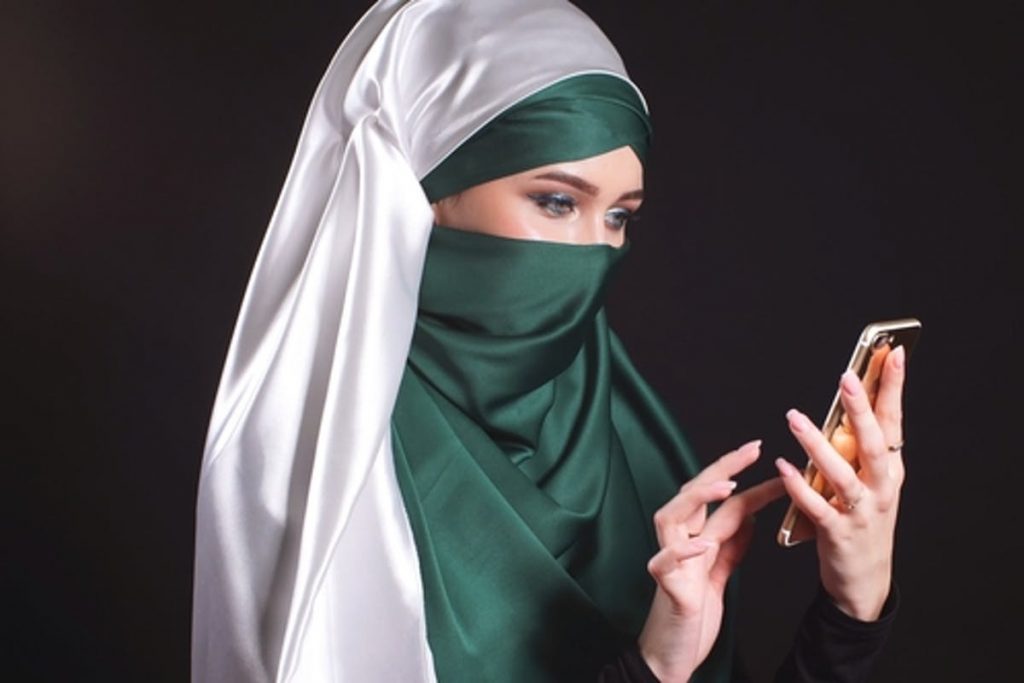
The countries across Europe have had a problem with the issue of the Islamic veil in different forms such as the body covering burka and then the niqab, which covers the face excluding the eyes.
The debate consisted of religious freedom, female equality, secular traditions and even fear of terrorism.
France regarding the Islamic veil
on 11 April 2011, France became the first European country to ban the full-face Islamic veil in public places.
According to the ban no woman, whether she is French or not French is able to leave their homes with their face hidden behind a veil without being given a fine. In other words Muslim women are not allowed to practice the veil covering even if they wanted to.
According to president Nicholas Sarkozy, whose administration brought in the ban, said that veils oppress women and ‘’are not welcome in France.’’
In 2016 France introduced a controversial ban on women’s full body swimsuits, known as ‘burkinis’. Prime minister Manuel Valls called the swimsuits ‘’ the affirmation of political Islam in the public space’’.
The burqini ban was thereafter lifted in seaside resort after Francis top administrative court overruled the law by the French Riviera mayors who imposed it.
France has about 5,000,000 Muslims which is the largest Muslim minority in Europe, but it is said that only about 2000 women wear full veils.
The penalty that France placed for the adornment of a full veil is a penalty of €150 (I.e., 133 pounds, $217.00) fine and instruction in citizenship. Anyone found forcing a woman to cover her face risks a 30,000 euro fine.
The data from 2015 recorded a total of 1,546 fines that had been imposed under the law.
The European court of human rights upheld the ban on 2 July 2014 after a case was brought by a 24-year-old French woman who argued that the ban violated her freedom of religion and expression.