Food plays a very important role in the development of a fetus. It is important to understand the different kinds of food that should be eaten during pregnancy to provide the correct nutrients to the child.
A mother should consume healthy foods during pregnancy which are rich in nutrients as an additional 300 calories are needed on a daily basis to maintain a healthy pregnancy.
While some food items might not cause harm to you, they can cause harm to the baby and affect the overall development of the fetus. Thus, here are a few food items that should be avoided during pregnancy for better health of the mother and the child.
1. Certain Meat
Although some meats are a great source of protein, some meats should be avoided such as rare cuts, uncooked meats, pre-stuffed turkey or chicken, steak tartare, or any raw meats, refrigerated meats or meat spreads including canned meats.
Cold cuts and salty deli meats, such as bacon and salami should be limited or avoided due to the high concentration of nitrates. Hot dogs should also be fully cooked to an internal temperature of 160 degrees.
2. Certain Fish
Raw fish or food items including sushi or salmon should be avoided, such as those included in sushi or sashimi. Smoked fish like smoked salmon, mackerel, and tuna are not recommended.
Also, locally-brought fish like bluefish, trout, striped bass and pike should be avoided as they may have a high mercury level. All fish high in mercury should be avoided during pregnancy including shark, swordfish, ray, and more.
3. Unpasteurized Milk and Cheese
Unpasteurized milk, and cheeses made from unpasteurized milk like feta, brie, camembert and queso and other soft cheeses should be avoided. However, look at the ingredients label to determine if the milk is pasterurized or not. Not all soft cheeses need to be avoided, but only those that are unpasteurized which is actually very uncommmon in the United States.
4. Unwashed and Raw Fruits and Vegetables
Raw-pressed juice brought from the store should be avoided. Raw sprouts, unwashed fruits and vegetables and unripe papaya should also be avoided during pregnancy because of the high chance of food-born illnesses.
5. Caffeine
Any sort of caffeine intake should be limited to 200mgs on a daily basis during pregnancy. This is about the same as 2 mugs of instant coffee. High levels of caffeine in pregnancy can result in babies having a low birthweight, which can increase the risk of health problems in later life.
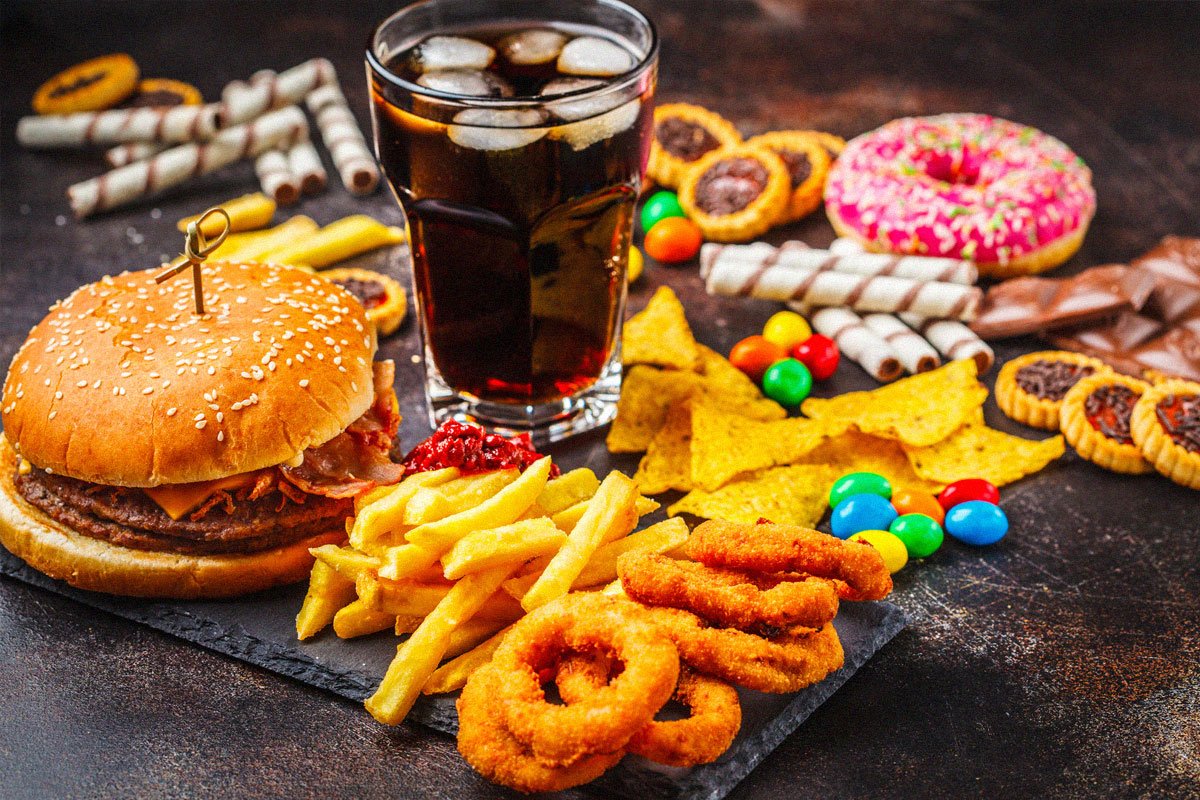
6. Junk Food and Street Food
While junk and processed foods don’t provide any nutrition, street foods can lead to food poisoning. Thus, it is best to steer clear from these and instead eat only freshly cooked home-made food.
How to avoid foodborne illness during pregnancy?
Cook clams, mussels and oysters until their shells open. Discard any that don’t open. During pregnancy, you’re at increased risk of bacterial food poisoning. Your reaction might be more severe than if you weren’t pregnant. Rarely, food poisoning affects the baby, too. To prevent foodborne illness: Fully cook all meats and poultry before eating.
Is it ok to eat tuna during pregnancy?
During pregnancy, eat 8 to 12 ounces a week of fish that doesn’t have a lot of mercury, including shrimp, salmon, pollock, catfish and canned light tuna. It’s OK to eat 6 ounces a week of albacore (white) tuna. Food and drinks that have caffeine. Limit the caffeine you get each day to 200 milligrams.
also read: https://justcode.co.za/2021/03/06/third-month-of-pregnancy/